
Before visiting a pest-free Hauraki Gulf island, check your gear for pests, clean away soil and seeds, and close your bags. Do this before leaving the mainland, not when you step ashore. A clean pair of shoes and a properly packed lunch are part of protecting the place you are visiting.
The Department of Conservation (DOC) sets out the process in its guidance for visiting pest-free islands. It applies to day visitors as well as people taking more equipment. This checklist helps you pack for a passenger trip; it does not replace the rules for your chosen island or your transport operator's instructions.
Start with the island's current visitor rules
Check the official page for the island you intend to visit. Access arrangements, activities and overnight requirements are not identical everywhere. If your plans include staying overnight, read those requirements separately rather than assuming a day-trip checklist covers them.
DOC says all visitors should complete its biosecurity checklist. Its guidance specifically says overnight visitors to Tiritiri Matangi, Motuora, Rangitoto–Motutapu and Motuihe must bring a completed checklist and hand it to the ranger on arrival. Use the current DOC version, linked from its guidance, rather than an old copy saved with a previous itinerary.
Check the bag you actually intend to carry
Empty and inspect your bags before packing. DOC tells visitors to check for rats, mice, ants and skinks, with particular care around camping gear that has been stored. Look through pockets and folds, and check equipment that has been sitting in a garage or shed.
Do not inspect one bag and then transfer everything into an unchecked bag at the last minute. Keep checked equipment together and close it after packing. If your group is bringing shared supplies, make someone responsible for checking those too. A communal food box needs the same attention as a personal backpack.
Remove soil and seeds from shoes and gear
Clean footwear, clothing and equipment before the trip. DOC warns that dirty gear can carry weed seeds, pests and plant diseases such as kauri dieback. Pay attention to the tread of walking shoes and any gear that has been on the ground.
Leave time for this at home. Scraping a little mud off on the way to the boat is a poor substitute for checking the whole sole. DOC also advises using cleaning stations at the pier and scrubbing shoes before boarding. Follow any instructions at the station rather than walking past because your shoes look dry.
Clean your gear after the trip as well. That keeps the next outing from starting with soil or seeds left over from this one.
Use sealed food containers and bags that close
DOC advises packing food in sealed containers and says not to use open bags or supermarket bags. Put snacks and lunch into containers you can shut, inside luggage that zips or closes securely. Keep food closed while travelling instead of leaving an open picnic bag on the deck or wharf.
Pack for the facilities the island actually has. For example, DOC's Rangitoto information says there are no shops and visitors must bring their own food and water. It also says visitors must take their rubbish away because there are no rubbish bins. Include a closable bag or container for the return journey's waste.
Check pets and transport before making plans
DOC says dogs, cats and other pets are not allowed on island reserves in the Hauraki Gulf and tells visitors to check the specific rules for their destination. Do not assume a pet can come because the boat journey itself allows animals.
For commercial travel, DOC advises choosing a Pest Free Warranted public ferry or charter boat and looking for the warrant logo. Follow the link to the current warrant-holder list in DOC's guidance and confirm the operator's status.
If you find something, report it before continuing
DOC's instructions depend on where you find the pest. On the mainland, remove the pest and clean your gear again. On a commercial boat, tell the crew what you found and where. On an island, report sightings to DOC's conservation emergency hotline, 0800 DOC HOT (0800 362 468).
Do not open suspect gear on the island to shake something out. Tell the crew or ranger and follow their instructions. For a group visit, share the checks before departure so one person is not trying to inspect everyone's luggage at boarding time.
The final check before leaving home
- Read the destination's current rules and complete the DOC checklist.
- Inspect bags and stored equipment for pests.
- Remove soil and seeds from shoes, clothes and gear.
- Seal food, close luggage and check shared supplies.
- Pack water and a way to take rubbish home where needed.
- Confirm current transport arrangements with an operating provider.
If Rangitoto is your destination, also save the return transport checklist. Packing well helps protect the island; arranging the return before departure helps you avoid relying on an unconfirmed pickup.
Sources checked
Sources: DOC: Visiting pest-free islands and DOC: Rangitoto Island, checked on 23 October 2026 (NZDT). This is a researched visitor guide, not a claim of operator experience or authority. Recheck the destination's notices and the DOC checklist before travel.
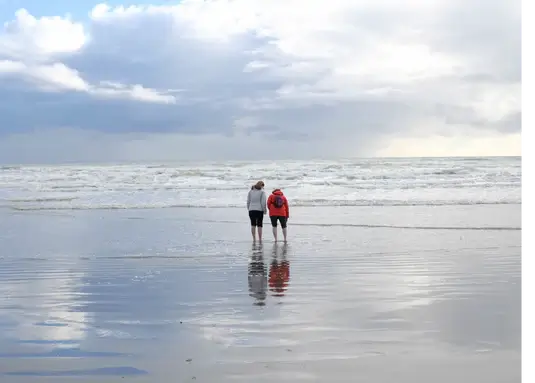
Image: reused from the Auckland Water Taxis website image library; illustrative, not a promise of a particular landing or service.